Ask a Bengaluru property lawyer for the first document to check after the title, and most will say the khata. It decides whether a bank will lend on the property, whether you can get a building plan or a trade licence, and how easy the home will be to sell later. Here is what A-khata and B-khata mean, how e-khata fits in, and what to check before you buy.
What a khata is
A khata is a property's account in the city corporation's records. It records the property's size, location and the person responsible for paying property tax. It is not a title document, since ownership is proved by your registered sale deed, but almost every later step depends on it: home loans, building approvals, utility connections, trade licences and resale.
A-khata: the one you want
An A-khata is entered in the main register for properties that follow the rules. Typically that means the land was converted for non-agricultural use, the layout or building plan was approved by the planning authority, and property tax is paid. An A-khata property is the easiest to finance, build on and sell.
B-khata: taxed, but not regularised
A B-khata sits in a separate register for properties that pay tax but have an irregularity. Common reasons are sites in layouts without planning approval, land that was never converted for non-agricultural use, or a building that deviates from its sanctioned plan. Being on the B register lets the corporation collect tax. It does not make the property compliant.
Side by side
| A-khata | B-khata | |
|---|---|---|
| Register | Main register | Separate register |
| Planning compliance | Approved layout or plan | Has an irregularity |
| Home loans | Widely available | Difficult, often refused |
| Building plan approval | Can be obtained | Usually not issued |
| Trade licence | Can be obtained | Usually not issued |
| Resale | Straightforward | Fewer buyers, lower price |
General guide only. Rules are set by the state and the city corporation and have changed several times recently; confirm the current position for any specific property.
Where e-khata fits in
Bengaluru has moved its khata records online. A property within the city corporation limits now needs an e-khata, the digital record, before it can be registered. Properties in gram panchayat areas, which include many plotted layouts on the city's edges, have their own digital records known as e-swathu. In both cases, check the online record matches the property you are buying: owner's name, site dimensions and survey number.
Recent changes
The state has run drives to bring unauthorised properties onto the B-khata register so they pay tax, and has discussed routes for converting B-khata properties to A-khata once the irregularity is regularised. Policies have shifted more than once since 2024, and the city's civic administration is itself being reorganised under the Greater Bengaluru Authority. Treat any blanket claim you hear about conversion with caution, and verify the current rules for the property in front of you.
Buying a new flat: what to check
In a new apartment project, you will not get your own khata until the building is complete and your sale deed is registered. Before you book, check the project's foundations instead:
- The land's conversion order for non-agricultural use.
- The approved building plan from the planning authority.
- The khata for the project land, in the developer's or landowner's name.
- RERA registration, with the documents uploaded on the RERA portal. Our RERA checklist walks through it.
- After handover: the occupancy certificate, then your own khata, transferred into your name after registration.
Buying a plot: be stricter
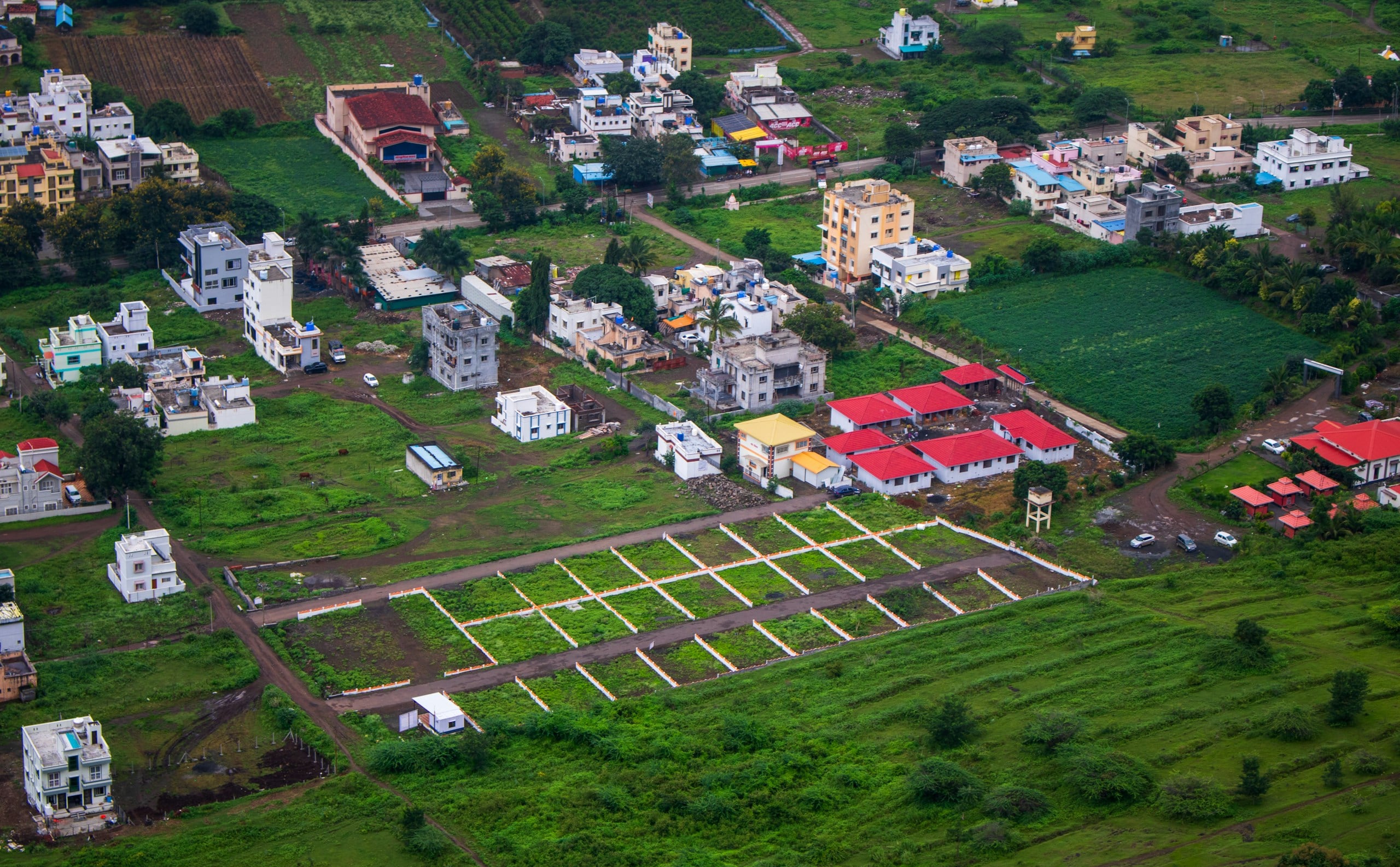
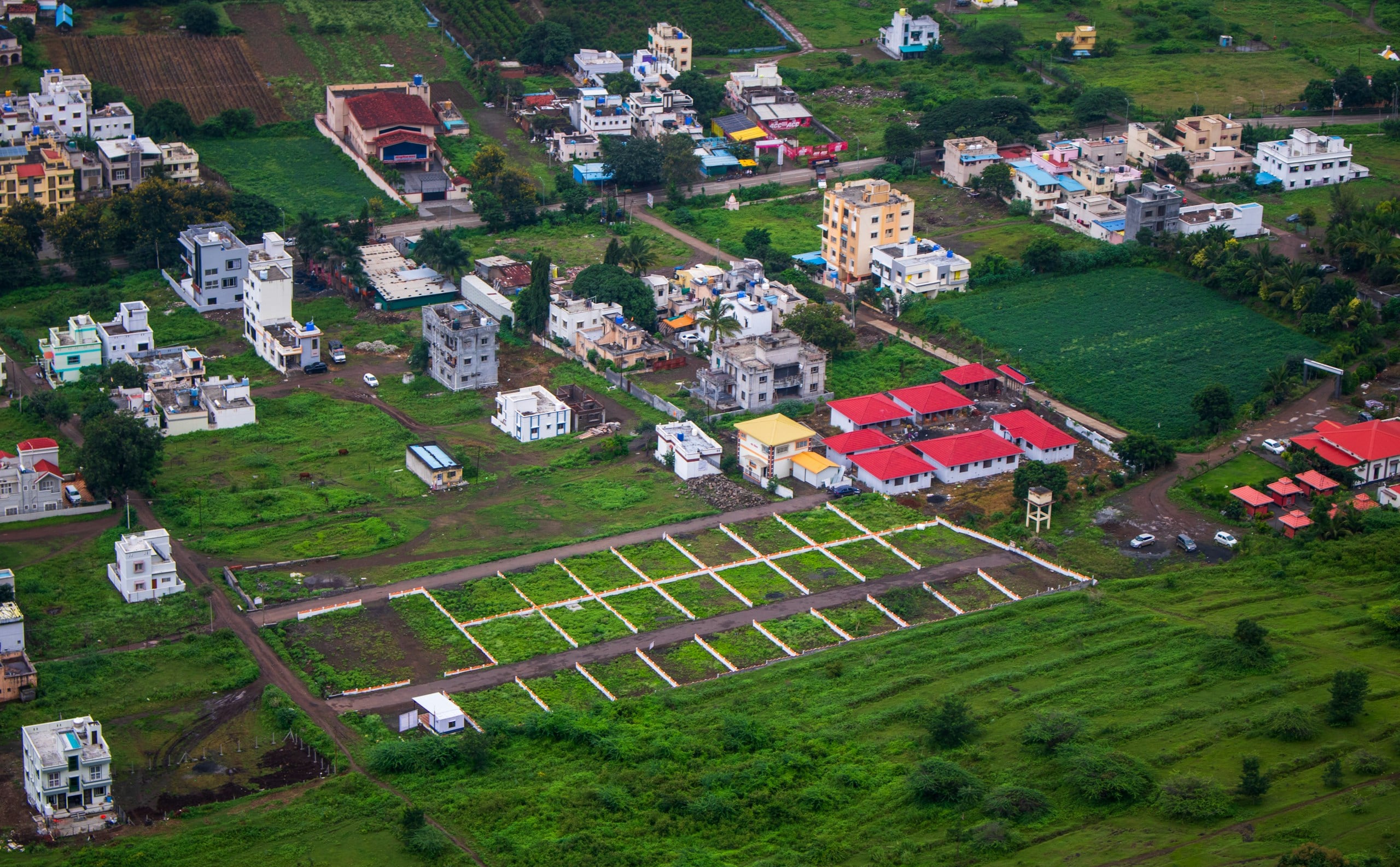
Plots are where B-khata problems most often appear. Insist on a layout approved by the relevant planning authority (BDA, BMRDA or the local planning authority), a conversion order, and a clean e-khata or e-swathu record. If any of these is missing, walk away or take a lawyer's opinion before paying a token. Browse plots in Bengaluru from projects we track.
Not sure what a document means? Send us the project name on WhatsApp and we will tell you which approvals to ask the developer for before you pay anything.
Frequently asked questions
What is the difference between A-khata and B-khata?
An A-khata is issued for a property that complies with planning rules: an approved layout or plan, land converted for non-agricultural use and taxes paid. A B-khata is a separate register for properties that pay tax but have an irregularity, such as an unapproved layout or a building that deviates from its plan.
Is a khata a title document?
No. A khata is the property's account in the municipal records, used mainly for property tax. Ownership is proved by the registered sale deed and the chain of title. A khata is still essential for loans, approvals, utilities and resale.
Can I get a home loan on a B-khata property?
It is usually difficult. Most banks prefer A-khata properties or projects with approved plans, and many will not lend on B-khata property at all. Check with your lender before you commit.
Can a B-khata be converted to an A-khata?
Only once the irregularity is regularised under whatever scheme is in force, usually with fees and penalties. The rules have changed several times in recent years, so confirm the current position for the specific property.
What is an e-khata?
An e-khata is the digital khata record. In Bengaluru, a property within the city corporation limits now needs an e-khata to be registered. Properties under gram panchayats have their own digital records, known as e-swathu.